
Two days after October 7, before the scale of the disaster was known, dozens of volunteers began recording survivors' testimonies on film. Edut 710 grew out of that effort: a living archive of the present, built in real time with no institutional backing and no budget. Three years on, the archive holds more than 2,000 video testimonies and a RAG-based search agent that answers natural-language questions and points to the exact moments that support each answer. We will show how we designed the infrastructure: a testimony-person-place knowledge model with a unique identifier for every entity; witness consent encoded in the schema itself; field-level permissions that keep survivors in control of their own stories. The talk explores what happens when the humanities and engineering meet under emergency conditions, and argues that modeling knowledge is an ethical practice as much as a technical one, because it determines whether the archive manages to keep its historical and moral context.
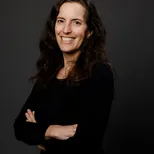
Associate Professor of Law and Digital Humanities, Hebrew University; Head of Archive at Edut 710
HUJI / EDUT 710